Selasa, 29 Mei 2012

[P517.Ebook] Ebook Free Human Planet: Nature's Greatest Human Stories, by Dale Templar, Brian Leith

Ebook Free Human Planet: Nature's Greatest Human Stories, by Dale Templar, Brian Leith

Currently, reading this stunning Human Planet: Nature's Greatest Human Stories, By Dale Templar, Brian Leith will be less complicated unless you obtain download the soft documents right here. Just here! By clicking the connect to download Human Planet: Nature's Greatest Human Stories, By Dale Templar, Brian Leith, you can start to get the book for your very own. Be the first owner of this soft data book Human Planet: Nature's Greatest Human Stories, By Dale Templar, Brian Leith Make distinction for the others as well as obtain the very first to step forward for Human Planet: Nature's Greatest Human Stories, By Dale Templar, Brian Leith Present moment!

Human Planet: Nature's Greatest Human Stories, by Dale Templar, Brian Leith

Human Planet: Nature's Greatest Human Stories, by Dale Templar, Brian Leith


Human Planet: Nature's Greatest Human Stories, by Dale Templar, Brian Leith

Ebook Free Human Planet: Nature's Greatest Human Stories, by Dale Templar, Brian Leith

Spend your time also for just couple of mins to read a book Human Planet: Nature's Greatest Human Stories, By Dale Templar, Brian Leith Reviewing a publication will never lower as well as squander your time to be worthless. Checking out, for some individuals end up being a need that is to do daily such as hanging out for eating. Now, what concerning you? Do you like to review a publication? Now, we will certainly show you a brand-new publication entitled Human Planet: Nature's Greatest Human Stories, By Dale Templar, Brian Leith that could be a brand-new means to check out the knowledge. When reviewing this book, you could get something to always keep in mind in every reading time, also pointer by step.

The advantages to consider reading the books Human Planet: Nature's Greatest Human Stories, By Dale Templar, Brian Leith are pertaining to enhance your life quality. The life quality will not just regarding just how much understanding you will certainly acquire. Even you review the enjoyable or enjoyable publications, it will certainly aid you to have boosting life high quality. Feeling fun will certainly lead you to do something flawlessly. In addition, guide Human Planet: Nature's Greatest Human Stories, By Dale Templar, Brian Leith will offer you the driving lesson to take as a great reason to do something. You could not be worthless when reviewing this e-book Human Planet: Nature's Greatest Human Stories, By Dale Templar, Brian Leith

Don't bother if you do not have sufficient time to go to guide shop and also look for the favourite e-book to read. Nowadays, the on-line e-book Human Planet: Nature's Greatest Human Stories, By Dale Templar, Brian Leith is pertaining to give convenience of checking out habit. You might not require to go outside to look guide Human Planet: Nature's Greatest Human Stories, By Dale Templar, Brian Leith Searching as well as downloading and install the e-book qualify Human Planet: Nature's Greatest Human Stories, By Dale Templar, Brian Leith in this article will certainly provide you far better solution. Yeah, on-line publication Human Planet: Nature's Greatest Human Stories, By Dale Templar, Brian Leith is a kind of digital e-book that you can enter the web link download provided.

Why need to be this on the internet publication Human Planet: Nature's Greatest Human Stories, By Dale Templar, Brian Leith You might not should go somewhere to check out guides. You can review this book Human Planet: Nature's Greatest Human Stories, By Dale Templar, Brian Leith each time and also every where you really want. Also it is in our extra time or sensation tired of the jobs in the workplace, this is right for you. Obtain this Human Planet: Nature's Greatest Human Stories, By Dale Templar, Brian Leith today and be the quickest individual that finishes reading this publication Human Planet: Nature's Greatest Human Stories, By Dale Templar, Brian Leith

Human Planet: Nature's Greatest Human Stories, by Dale Templar, Brian Leith

An extraordinary companion guide to the next epic natural history documentary series from BBC and Discovery Channel—this time taking the Planet Earth approach to studying humans In the first natural history documentary series to turn the camera on the human species, Human Planet explains how we have learned to live on every habitat, from our origins in the jungle and our domination of grasslands to the desert, ocean, and rivers; from the challenges of the Arctic mountains to the creation of our own urban environment. But this is also a story about how we have learned to adapt to the most inhospitable landscapes and work in partnership with other animal species. Exploring such diverse experiences as the Bajau sea gypsies, the Korowai tribe of West Papau who live in treehouses, the honey birds in Kenya that lead the Masai people to honey, the men who fish with dolphins in Brazil, and the Papuan tribesmen who mimic the courtship dances of the birds of paradise, this is the remarkable story of our relationship with nature. This series marks the first time the prestigious BBC Natural History Unit has ever filmed the human being, as well as the first time a photographer has accompanied the camera team, providing photographs of extraordinary quality.

  • Sales Rank: #502865 in Books
  • Brand: Brand: BBC
  • Published on: 2011-03-11
  • Released on: 2011-02-22
  • Original language: English
  • Number of items: 1
  • Dimensions: 10.50" h x 1.00" w x 10.00" l, 3.55 pounds
  • Binding: Hardcover
  • 288 pages
Features
  • Used Book in Good Condition

About the Author
Dale Templar was the series producer of Human Planet. She specializes in filming in remote locations with humans and wildlife and has traveled to more than 50 countries in the process. Brian Leith is a BBC executive producer who has worked in wildlife and environment filmmaking for more than 20 years. He was responsible for such BBC series as Ganges, Nature's Great Events, and Wild China, and his award-winning films include Congo, The Cultured Ape, and The Wolf that Changed America. Timothy Allen was the official photographer for Human Planet. He specializes in documenting the diversity of humanity's cultural heritage, working with indigenous communities worldwide. He recently won the One Planet, Many Lives award in the Travel Photographer of the Year and is the winner of six Picture Editors' Guild awards, including the Arts Photographer of the Year Award.

Most helpful customer reviews

1 of 1 people found the following review helpful.
love this book!
By Ruth D.
Got this just in time for our family Thanksgiving gathering. It was enjoyed by all who opened it and a great conversation starter when looking at the various amazing photos. We got the video as well and this coffee table book was nice to broaden our understanding of what we saw on the video. Really an impressive collection of stories. Man's ingenuity is boundless it seems.

0 of 0 people found the following review helpful.
great illustrations
By Andreea
I have been meaning to order this book since i saw the show.It has interesting material and great insight on things.

0 of 0 people found the following review helpful.
Five Stars
By dianne
This book is full of beautiful pictures and content

See all 3 customer reviews...

Human Planet: Nature's Greatest Human Stories, by Dale Templar, Brian Leith PDF
Human Planet: Nature's Greatest Human Stories, by Dale Templar, Brian Leith EPub
Human Planet: Nature's Greatest Human Stories, by Dale Templar, Brian Leith Doc
Human Planet: Nature's Greatest Human Stories, by Dale Templar, Brian Leith iBooks
Human Planet: Nature's Greatest Human Stories, by Dale Templar, Brian Leith rtf
Human Planet: Nature's Greatest Human Stories, by Dale Templar, Brian Leith Mobipocket
Human Planet: Nature's Greatest Human Stories, by Dale Templar, Brian Leith Kindle

Human Planet: Nature's Greatest Human Stories, by Dale Templar, Brian Leith PDF

Human Planet: Nature's Greatest Human Stories, by Dale Templar, Brian Leith PDF

Human Planet: Nature's Greatest Human Stories, by Dale Templar, Brian Leith PDF

Kamis, 24 Mei 2012

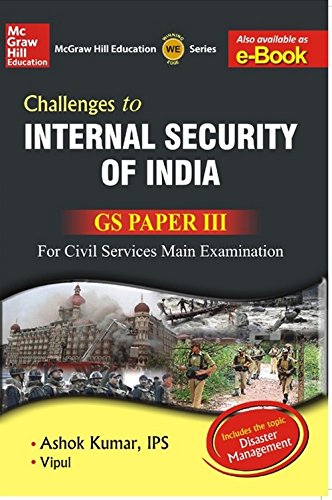
[G389.Ebook] Free Ebook Internal Security & Disaster Management: Gs Paper 3, by Ashok Kumar

Free Ebook Internal Security & Disaster Management: Gs Paper 3, by Ashok Kumar

Discovering the ideal Internal Security & Disaster Management: Gs Paper 3, By Ashok Kumar publication as the right requirement is kind of good lucks to have. To begin your day or to end your day at night, this Internal Security & Disaster Management: Gs Paper 3, By Ashok Kumar will certainly be proper enough. You could simply search for the floor tile here and also you will certainly get guide Internal Security & Disaster Management: Gs Paper 3, By Ashok Kumar referred. It will not bother you to reduce your useful time to choose buying publication in store. In this way, you will likewise invest cash to pay for transportation and other time spent.

Internal Security & Disaster Management: Gs Paper 3, by Ashok Kumar

Internal Security & Disaster Management: Gs Paper 3, by Ashok Kumar


Internal Security & Disaster Management: Gs Paper 3, by Ashok Kumar

Free Ebook Internal Security & Disaster Management: Gs Paper 3, by Ashok Kumar

When you are hurried of task deadline and have no idea to get inspiration, Internal Security & Disaster Management: Gs Paper 3, By Ashok Kumar book is one of your options to take. Book Internal Security & Disaster Management: Gs Paper 3, By Ashok Kumar will certainly provide you the right resource and also point to obtain inspirations. It is not only regarding the tasks for politic business, administration, economics, and also other. Some bought jobs to make some fiction jobs additionally need motivations to conquer the task. As what you require, this Internal Security & Disaster Management: Gs Paper 3, By Ashok Kumar will most likely be your option.

Certainly, to boost your life top quality, every publication Internal Security & Disaster Management: Gs Paper 3, By Ashok Kumar will certainly have their certain driving lesson. Nevertheless, having certain understanding will make you really feel much more confident. When you feel something take place to your life, often, checking out book Internal Security & Disaster Management: Gs Paper 3, By Ashok Kumar can assist you to make tranquility. Is that your actual pastime? Sometimes indeed, however often will be uncertain. Your selection to check out Internal Security & Disaster Management: Gs Paper 3, By Ashok Kumar as one of your reading books, could be your appropriate book to read now.

This is not around exactly how a lot this e-book Internal Security & Disaster Management: Gs Paper 3, By Ashok Kumar prices; it is not also for just what kind of book you truly love to review. It is about what you could take and obtain from reviewing this Internal Security & Disaster Management: Gs Paper 3, By Ashok Kumar You can choose to select various other publication; but, it does not matter if you try to make this book Internal Security & Disaster Management: Gs Paper 3, By Ashok Kumar as your reading selection. You will not regret it. This soft file e-book Internal Security & Disaster Management: Gs Paper 3, By Ashok Kumar could be your good close friend regardless.

By downloading this soft file e-book Internal Security & Disaster Management: Gs Paper 3, By Ashok Kumar in the on the internet link download, you remain in the initial step right to do. This site truly provides you convenience of the best ways to get the ideal e-book, from finest seller to the brand-new released publication. You can locate more books in this website by going to every web link that we offer. Among the collections, Internal Security & Disaster Management: Gs Paper 3, By Ashok Kumar is among the ideal collections to market. So, the first you obtain it, the initial you will obtain all good about this e-book Internal Security & Disaster Management: Gs Paper 3, By Ashok Kumar

Internal Security & Disaster Management: Gs Paper 3, by Ashok Kumar

Security and disaster management is an important topic in the generral studies paper iii of the civil services main examination. Challenges to internal security of india specifically addresses this issue through a holistic, solution-centric approach. It would greatly benefit aspirants preparing for this topic as general readers who would like to be well informed on this subject. Table of contents: internal security terrorism-role of state and non-state actors jammu and kashmir militancy insurgency in the north-east left wing extremism - a war upon the state linkages between development and spread of extremism communal violence organized crime cyber crimes and cyber security security challenges and their management in border areas security forces and their mandate

  • Published on: 2014-06-01
  • Dimensions: 22.40" h x .79" w x 15.31" l, .35 pounds
  • Binding: Paperback

Most helpful customer reviews

See all customer reviews...

Internal Security & Disaster Management: Gs Paper 3, by Ashok Kumar PDF
Internal Security & Disaster Management: Gs Paper 3, by Ashok Kumar EPub
Internal Security & Disaster Management: Gs Paper 3, by Ashok Kumar Doc
Internal Security & Disaster Management: Gs Paper 3, by Ashok Kumar iBooks
Internal Security & Disaster Management: Gs Paper 3, by Ashok Kumar rtf
Internal Security & Disaster Management: Gs Paper 3, by Ashok Kumar Mobipocket
Internal Security & Disaster Management: Gs Paper 3, by Ashok Kumar Kindle

Internal Security & Disaster Management: Gs Paper 3, by Ashok Kumar PDF

Internal Security & Disaster Management: Gs Paper 3, by Ashok Kumar PDF

Internal Security & Disaster Management: Gs Paper 3, by Ashok Kumar PDF

Rabu, 23 Mei 2012

[T992.Ebook] PDF Ebook Grief Is a Journey: Finding Your Path Through Loss, by Dr. Kenneth J. Doka

PDF Ebook Grief Is a Journey: Finding Your Path Through Loss, by Dr. Kenneth J. Doka

Spend your time even for simply few mins to check out a book Grief Is A Journey: Finding Your Path Through Loss, By Dr. Kenneth J. Doka Checking out an e-book will never lower and lose your time to be pointless. Reviewing, for some folks end up being a demand that is to do every day such as spending time for eating. Now, just what regarding you? Do you prefer to review a book? Now, we will certainly reveal you a brand-new e-book qualified Grief Is A Journey: Finding Your Path Through Loss, By Dr. Kenneth J. Doka that could be a brand-new means to check out the knowledge. When reading this publication, you can get one point to constantly keep in mind in every reading time, also detailed.

Grief Is a Journey: Finding Your Path Through Loss, by Dr. Kenneth J. Doka

Grief Is a Journey: Finding Your Path Through Loss, by Dr. Kenneth J. Doka


Grief Is a Journey: Finding Your Path Through Loss, by Dr. Kenneth J. Doka

PDF Ebook Grief Is a Journey: Finding Your Path Through Loss, by Dr. Kenneth J. Doka

Utilize the sophisticated technology that human develops this day to locate guide Grief Is A Journey: Finding Your Path Through Loss, By Dr. Kenneth J. Doka quickly. Yet initially, we will ask you, how much do you like to check out a book Grief Is A Journey: Finding Your Path Through Loss, By Dr. Kenneth J. Doka Does it constantly until coating? For what does that book read? Well, if you truly enjoy reading, try to review the Grief Is A Journey: Finding Your Path Through Loss, By Dr. Kenneth J. Doka as one of your reading collection. If you just checked out guide based on need at the time as well as incomplete, you have to aim to like reading Grief Is A Journey: Finding Your Path Through Loss, By Dr. Kenneth J. Doka first.

There is no question that book Grief Is A Journey: Finding Your Path Through Loss, By Dr. Kenneth J. Doka will still offer you motivations. Even this is simply a book Grief Is A Journey: Finding Your Path Through Loss, By Dr. Kenneth J. Doka; you could locate many genres and kinds of publications. From amusing to experience to politic, as well as scientific researches are all provided. As exactly what we explain, below we offer those all, from famous writers and author around the world. This Grief Is A Journey: Finding Your Path Through Loss, By Dr. Kenneth J. Doka is among the compilations. Are you interested? Take it currently. Just how is the way? Find out more this short article!

When somebody should visit guide stores, search shop by store, shelf by rack, it is really frustrating. This is why we supply the book collections in this internet site. It will relieve you to search guide Grief Is A Journey: Finding Your Path Through Loss, By Dr. Kenneth J. Doka as you like. By browsing the title, author, or authors of guide you really want, you can find them rapidly. At home, workplace, and even in your method can be all ideal area within web links. If you intend to download the Grief Is A Journey: Finding Your Path Through Loss, By Dr. Kenneth J. Doka, it is extremely simple after that, since currently we proffer the connect to acquire and make deals to download Grief Is A Journey: Finding Your Path Through Loss, By Dr. Kenneth J. Doka So very easy!

Curious? Obviously, this is why, we mean you to click the web link page to visit, then you can appreciate guide Grief Is A Journey: Finding Your Path Through Loss, By Dr. Kenneth J. Doka downloaded till completed. You could conserve the soft file of this Grief Is A Journey: Finding Your Path Through Loss, By Dr. Kenneth J. Doka in your gizmo. Certainly, you will bring the gadget anywhere, won't you? This is why, every single time you have spare time, each time you could enjoy reading by soft duplicate publication Grief Is A Journey: Finding Your Path Through Loss, By Dr. Kenneth J. Doka

Grief Is a Journey: Finding Your Path Through Loss, by Dr. Kenneth J. Doka

In this groundbreaking book, Dr. Kenneth Doka explores a new, compassionate way to grieve, explaining that grief is not an illness to get over but an individual and ongoing journey.

There is no “one-size-fits-all” way to cope with loss. The vital bonds that we form with those we love in life continue long after death—in very different ways. Grief Is a Journey is the first book to overturn the prevailing, often judgmental, ideas about grief, and replace them with a hopeful, inclusive, personalized, and research-backed approach. New science and studies behind Dr. Doka’s teaching upend the dominant but incorrect view that grief proceeds by stages.

In doing so, he helps us realize that our experiences following a death are far more individual and much less predictable than the conventional “five stages” model would have us believe. Common patterns of experiencing and expressing grief still prevail, yet many other life changes accompany a primary loss. For example, the deaths of parents, even for adults, modify family patterns, change relationships, and alter old family rituals.

Unique to this book, Dr. Doka also explains how to cope with disenfranchised grief—the types of loss that are not so readily recognized or supported by society. These include the death of ex-spouses, as well as non-fatal losses such as divorce, the end of a friendship, job loss, or infertility. In addition, Dr. Doka considers losses that might be stigmatized, including death by suicide or from disease or self-destructive behaviors such as smoking or alcoholism.

Since no two people experience grief in the exact same way, Grief Is a Journey offers a variety of self-help strategies for coping with grief. It delineates the many ways we can create personal and private therapeutic rituals throughout our grief journey. This book also offers counsel on when—and where—to seek professional assistance. And finally, Dr. Doka reminds us that, however painful, grief provides opportunities for growth.

  • Sales Rank: #146031 in Books
  • Published on: 2016-04-12
  • Released on: 2016-04-12
  • Original language: English
  • Number of items: 1
  • Dimensions: 9.00" h x 1.00" w x 6.00" l, .0 pounds
  • Binding: Hardcover
  • 304 pages

Review
"Grief Is a Journey is more than a collection of wise guidance and advice. Rather, this is a volume of rare sensitivity, penetrating understanding, and profound insights written by a foremost interpreter of grief and loss. It is a must read book for the bereaved and those who counsel them." (Rabbi Earl A. Grollman, author of Living When A Loved One Dies)

“Grief Is a Journey is the book I recommend to people living with loss. Dr. Doka distills insights from a wealth of scientific evidence and years of his own experience into practical, plainspoken guidance. His authoritative voice in chaotic times makes one feel as comfortable as if sitting on a grandfather’s knee.” (Ira Byock, MD, director of the Providence Institute for Human Caring; professor, Dartmouth’s Geisel School of Medicine; author of Dying Well and The Four Things That Matter Most)

"A particularly inspiring book, deeply informative both for those who are actively grieving and those who seek to support them." (Omega: The Journal of Death and Dying)

"If grief is a journey,Ken Doka’s gem of a book is both the best GPS helping you locate where you are, as well as a five-star travel guidebook instructing how to navigate your unique trip. Well-written and richly illustrated with examples of normal people contending with all sorts of loss-related issues, the book not only clearly explains the terrain of bereavement, but identifies the vehicles to take you through it and shows you personally how to operate in ways that work best for you. Separating myths from realities, Doka presents information that provides practical guidance that pinpoints ways you can help yourself and others. A must-have resource for any mourner. I highly recommend it." (Therese A. Rando, Ph.D., BCETS, BCBT, Author, Coping With the Sudden Death of Your Loved One: A Self-Help Handbook for Traumatic Bereavement)

“Sensible, helpful, time-tested advice from a wise, compassionate counselor. Dr. Doka provides uniquely useful insights into this universal (yet widely misunderstood) human experience." (Brendan Reilly, MD author of ONE DOCTOR)

About the Author
Dr. Kenneth J. Doka is a licensed mental health counselor and preeminent expert in grief. He is Professor of Gerontology at the Graduate School of the College of New Rochelle as well as Senior Consultant to the Hospice Foundation of America and an ordained Lutheran minister. Dr. Doka speaks around the world on dying, death, and bereavement, and his work has been featured in national publications and media outlets such as Time, The Wall Street Journal, CNN, and Nightline.

Excerpt. © Reprinted by permission. All rights reserved.
Grief Is a Journey
PART 1
The Journey of Grief
Whatever you love—whether a person, a pet, or even an object—you may one day lose, for loss is a universal occurrence. And when you lose what you love, whether by separation or death, you grieve that loss; so grief, too, is a universal experience.

Yet, while the experience of loss is universal, the reactions to that loss are as distinct and individual as you are. Everyone grieves each individual loss in a unique way.

That fact is paradoxically both troubling and comforting. Troubling, since you want certainty: What can I expect in grief? When will these feelings and reactions end? What is normal? But comforting, too, because it accounts for the wide range of reactions you may be experiencing, and it reminds you that, just as each relationship is unique, so is each loss. Your own reactions have no less worth or validity than those of others around you.

Yet you still wish for a guide, and Grief Is a Journey offers that guide. Its opening chapters explore the many myths that trouble you as you grieve, and other chapters explore the varied reactions you may experience, as well as the factors that influence the particular manner of your grief.

This book affirms that as you go forward, you are going to retain a part of the one you have loved. It affirms that grief is truly a journey—as lifelong as your love—and it shows that you need not journey alone, or without hope.

CHAPTER 1
The Myths and Realities of Grief
It has been eight months since Vicky’s husband died, and Vicky is very confused by her own grief. In the first two months she seemed to be coping so well, but in the past six months she feels worse—not better. She cries often and is short-tempered at work and at home. She is angry—angry at her husband for not taking care of himself; at friends who are not attentive; and even at her children, who are pressuring her, as she says, “to suddenly get better.”

Brian is grieving the loss of his son. He thinks of Shay often and lovingly plans an annual carnival in his young son’s memory. But his wife, Marla, worries that Brian has not dealt with his grief because he has never cried or talked about his feelings.

Steve is mourning the death of his lover. He misses him terribly. They spoke daily—sharing events and offering advice. Though it has been over a month, Steve still picks up the phone and begins to dial Henry and expects to hear Henry’s voice when the phone rings. He wonders if he is going crazy.

So does Carla, who is mourning her brother. She and her brother both were married and had kids, and they often socialized together, even vacationing as families. It seems so unfair that her brother died so young, only in his forties. But Carla resents everyone who asks how John’s wife and children are doing. “What about my grief?” she says.

Though their losses and reactions are different, all of these people share a common experience—an experience that each one of us will encounter during our lifetime. They are grieving. Grief is the price we pay for love.

Loss is universal, but our reactions to it are not. Our responses are individual. Psychologists and clinicians have known this for years, but when people are suffering—the elderly woman left in an empty home without her husband, the adolescent son of a newly divorced couple, or the mother of a child struck with a debilitating illness—grief feels like an uncontrollable burden they must bear alone. Psychologists have learned so much useful information about grief, and how it unfolds, that can help people with their pain. But this information hasn’t been given out widely to the public, or even made known to other therapists and clergy. At the same time, there are several myths about grieving that persist and that are damaging people’s health and well-being.

Misconceptions about grief lead more than one million people each year to seek out chemical solutions to their pain, either through alcohol, recreational drugs, or prescription medication. Almost all report that they feel abandoned by family and friends who think that they have failed to “get over it” in time. Millions experience their grief alone, and they ask themselves, Am I going crazy?

This is why I felt compelled to write this book. I want to help people better understand their grief and to cope with it. I also want to help other counselors who may not know about recent important discoveries about how grief works.

Although grief is a universal, critical life experience, we often journey through it privately, isolated, afraid to share our feelings—worried that our responses may be misunderstood or dismissed. And there is limited public understanding or conversation about the ways we cope with loss. For years, as I have lectured publicly about grief, I am inevitably asked variations of the question raised above. Am I going crazy? What’s wrong with me that I am crying all the time? Or, What’s wrong with me that I am not crying all the time? What’s wrong with me that my grief ebbs and flows? Why do I seem to be getting worse, sadder, rather than better?

When we are grieving, we have a variety of perfectly normal, natural reactions that we may feel are “wrong” for one reason or another—they’re strong or inconvenient or unexpected or condemned by our culture or family. We become fearful of sharing these reactions with others, who may not know how to offer support. They may even compound our problem by suggesting, when our reactions are truly natural and normal, that we need professional help. We may lose confidence in our ability to cope at a critical time when we need to adapt in order to survive. Our fears can become reality.

So I want to try to reassure you that you can cope. You may need some guidance in dealing with your pain, but you can create your own map for navigating your grief. First of all, your feelings are your feelings. You feel what you feel. You may feel sad, angry, or anxious; or a number of other emotions; or a jumble of emotions all at once.

In my teaching and lecturing, my counseling, and the hundreds of letters I receive as editor of Journeys: A Newsletter to Help in Bereavement, I have learned that most people have two models of how grief works. The first model is that each day, it will get a little easier. That model usually fails because many people get surges of pain that arise from time to time, especially around holidays, birthdays, or anniversaries. Another model of grief is that it proceeds in stages, which is based on Elisabeth Kübler-Ross’s five stages. These bereaved persons expect, or are expected by others, to go through phases of denial, anger, bargaining, and depression—before they reach acceptance. But the fact is that Kübler-Ross originally saw these stages as reflecting how people cope with illness and dying, not as reflections of how people grieve. Actual experiences of grief are far more individual, often chaotic, and much less predictable.

Grief is not a single process that everyone experiences the same way. This is critical for you to try to remember. Since we do not experience grief in a predictable set of stages, there is no “one size fits all” way to cope with loss.

There is also no closure to grief. Grief is not about letting go of past relationships or closing yourself off from them. Even in bereavement, you continue your bond—albeit in a different way.

Grief is not an illness you get over. It is a journey.

Here are some major principles to keep in mind about this new understanding of grief:
• You have personal, individual pathways in grieving
• Grief is not only an emotion. It includes physical, behavioral, cognitive, social, and spiritual reactions. Your own responses are influenced by your religion or sense of spirituality, culture, class, gender, and life experiences.
• Grief is not at all a relinquishing of ties to the deceased. It is understanding the complex ways that you retain a continuing bond to the person you loved.
• You experience many related losses as a consequence of a single loss or death. These secondary losses will also influence your life, and you will want to name and grieve them, too.
• You do not simply cope with your loss. There are possibilities for growth inherent in your grief, even though you may not see them for some time.

People feel grief for many kinds of losses. We grieve the deaths of family members, friends, lovers, and coworkers; sometimes even people we once loved, such as ex-spouses. We mourn the end of a valued friendship whether through death, relocation, or conflict. We grieve transitions and changes in our life. We become attached to dreams, to ideals, to our pets, to possessions, and to people we admire, whether politicians or celebrities, and grieve these losses, as well.

Twenty-six years ago, Donna angrily divorced her husband Nolan after she became aware of his multiple infidelities. She is stunned by her own grief reactions to hearing of his death. After all, she reasoned, it had been so long and the divorce had been so bitter. Married again now for near twenty years, she finds it difficult to sort out her feelings. Her friends do not understand why she would grieve “the creep.” She feels awkward to share it with Austin, her present husband. She thinks he would just not understand—in fact, it took years for her to trust Austin after her past experience. How can he be expected to understand her grief?

We grieve other types of losses, too, as we journey through the different stages of life. A mother will feel pain after her preadolescent son objects to a public hug for the first time. Elderly people grieve their loss of independence when they have to give up their driver’s license.

Losses like this are often disenfranchised—they are unrecognized and unsupported by other members of society. Sometimes we even discount or dismiss our own pain. We feel disenfranchised grief over losses that are not openly acknowledged, socially sanctioned, or publicly shared. We experience these losses, but we come to believe we do not have the right to grieve them. Frequently, other people in society prohibit our right to grieve losses like these. As a result, we often suffer in silence, not knowing the true cause of our reactions, having no context in which to understand this, and receiving little support and recognition. While the concept of disenfranchised grief has been recognized by researchers and professionals for the past twenty years, this concept has rarely moved beyond specialists in the field.

Grief Is a Journey starts with this groundbreaking yet basic idea from the latest findings on grief: We each have to find our own personal pathway as we deal with loss. Grief is as individual as fingerprints or snowflakes. After all, each of us has our own set of experiences and distinct ways of coping. Every loss is different. Its consequences emerge from our unique relationships and arise from our own singular circumstances. Once you truly accept that basic but liberating concept—and once you identify your personal pathway—you are empowered to cope. You will find the right way to deal with your pain and memories, you will identify sources of meaningful support, and you will find the right resources to help you cope with your grief.

Once you identify the ways that grief manifests itself in your own life—and in the lives of those you care about and love—you can better help yourself, and you will see more clearly how to reach out effectively to support your family and friends who are grieving. This new understanding of grief allows you to answer three critical questions: How can I understand my own pathway? How can I use this knowledge to help me deal with my grief? How can I support those I care about in their grief?

———

I’d like to dispel some prevalent myths about how we grieve before we move forward. These myths have been perpetuated for years by laypeople as well as psychologists and counselors, but they have caused pain to millions of people who would otherwise experience their grief in a more natural, healthful way. These myths are pervasive but unsupported by scientific research. Identifying them can keep you from creating unrealistic expectations and allow you to explore a more individualistic and personalized truth—your own truth about your loss and your grief.

OFFERING CONDOLENCES
• Nothing you say can ease the pain of the loss. You can show support and empathy by your presence.
• Culturally appropriate actions such as bringing food, sending flowers, or making memorial donations are ways that show caring and support
• Do not invalidate or minimize the loss. Comments like You are young, You can get married again, Think of the children you still have, She had a very long life, and At least he did not suffer may attempt to comfort, but they do not acknowledge the loss and grief the person is experiencing.
• Do not offer platitudes such as He is in a better place or God must have wanted her. Grieving individuals may eventually find comfort from their beliefs, but right now they want the person with them—alive.
• Do simply say you are sorry for the loss
• Do share any special memories of the deceased, as well as the lessons you learned from the deceased or the impact they had on your life. While you may share them at the funeral, send them as well in a letter or card. They will be cherished.
• If you wish to help, be specific in what you can do. “Can I help get people to and from the airport?” or “Would you like me to pick up Cody after practice?” are far better than “Let me know if I can help.”

Most helpful customer reviews

0 of 0 people found the following review helpful.
but it is beyond excellent, and I heartily recommend it to almost everyone ...
By Amazon Customer
I have only just begun this book, but it is beyond excellent, and I heartily recommend it to almost everyone is. We all experience loss, and this is such a wise and thoughtful and helpful approach to any loss.

0 of 0 people found the following review helpful.
Grief is a Journey: definitely worth the purchase and the read.
By Michele L. Mines
I appreciated the awareness and clarity brought to these topics.....grief that isn't talked about, acknowledged, etc. I will keep reading and studying for some time. Excellent work.

0 of 0 people found the following review helpful.
I bought this for my sister that recenlty lost her ...
By Curious Cake Maker
I bought this for my sister that recenlty lost her husband of 30 years to brain cancer. I left it on her pillow, she is going through the journey. This is helping.

See all 11 customer reviews...

Grief Is a Journey: Finding Your Path Through Loss, by Dr. Kenneth J. Doka PDF
Grief Is a Journey: Finding Your Path Through Loss, by Dr. Kenneth J. Doka EPub
Grief Is a Journey: Finding Your Path Through Loss, by Dr. Kenneth J. Doka Doc
Grief Is a Journey: Finding Your Path Through Loss, by Dr. Kenneth J. Doka iBooks
Grief Is a Journey: Finding Your Path Through Loss, by Dr. Kenneth J. Doka rtf
Grief Is a Journey: Finding Your Path Through Loss, by Dr. Kenneth J. Doka Mobipocket
Grief Is a Journey: Finding Your Path Through Loss, by Dr. Kenneth J. Doka Kindle

Grief Is a Journey: Finding Your Path Through Loss, by Dr. Kenneth J. Doka PDF

Grief Is a Journey: Finding Your Path Through Loss, by Dr. Kenneth J. Doka PDF

Grief Is a Journey: Finding Your Path Through Loss, by Dr. Kenneth J. Doka PDF

Minggu, 13 Mei 2012

[Y428.Ebook] Free Ebook Senior Residences: Designing Retirement Communities for the Future (Wiley Series in Healthcare and Senior Living Design), by John E. Harri

Free Ebook Senior Residences: Designing Retirement Communities for the Future (Wiley Series in Healthcare and Senior Living Design), by John E. Harri

Just how if there is a website that allows you to hunt for referred publication Senior Residences: Designing Retirement Communities For The Future (Wiley Series In Healthcare And Senior Living Design), By John E. Harri from all over the globe author? Immediately, the website will certainly be astonishing finished. Many book collections can be discovered. All will be so simple without challenging point to relocate from site to site to get the book Senior Residences: Designing Retirement Communities For The Future (Wiley Series In Healthcare And Senior Living Design), By John E. Harri desired. This is the website that will certainly give you those requirements. By following this site you can obtain whole lots numbers of book Senior Residences: Designing Retirement Communities For The Future (Wiley Series In Healthcare And Senior Living Design), By John E. Harri compilations from variants types of writer as well as author prominent in this world. The book such as Senior Residences: Designing Retirement Communities For The Future (Wiley Series In Healthcare And Senior Living Design), By John E. Harri and also others can be obtained by clicking nice on link download.

Senior Residences: Designing Retirement Communities for the Future (Wiley Series in Healthcare and Senior Living Design), by John E. Harri

Senior Residences: Designing Retirement Communities for the Future (Wiley Series in Healthcare and Senior Living Design), by John E. Harri


Senior Residences: Designing Retirement Communities for the Future (Wiley Series in Healthcare and Senior Living Design), by John E. Harri

Free Ebook Senior Residences: Designing Retirement Communities for the Future (Wiley Series in Healthcare and Senior Living Design), by John E. Harri

Senior Residences: Designing Retirement Communities For The Future (Wiley Series In Healthcare And Senior Living Design), By John E. Harri. In what case do you like checking out a lot? What about the kind of guide Senior Residences: Designing Retirement Communities For The Future (Wiley Series In Healthcare And Senior Living Design), By John E. Harri The have to review? Well, everyone has their very own reason why should check out some publications Senior Residences: Designing Retirement Communities For The Future (Wiley Series In Healthcare And Senior Living Design), By John E. Harri Primarily, it will associate with their requirement to obtain knowledge from guide Senior Residences: Designing Retirement Communities For The Future (Wiley Series In Healthcare And Senior Living Design), By John E. Harri and also wish to review just to get home entertainment. Stories, story publication, and also other amusing books become so preferred today. Besides, the scientific e-books will certainly likewise be the most effective need to select, specifically for the pupils, instructors, medical professionals, businessman, and other occupations who love reading.

If you really want actually get the book Senior Residences: Designing Retirement Communities For The Future (Wiley Series In Healthcare And Senior Living Design), By John E. Harri to refer now, you should follow this page always. Why? Remember that you require the Senior Residences: Designing Retirement Communities For The Future (Wiley Series In Healthcare And Senior Living Design), By John E. Harri resource that will provide you best requirement, do not you? By visiting this internet site, you have begun to make new deal to consistently be updated. It is the first thing you could start to obtain all take advantage of being in an internet site with this Senior Residences: Designing Retirement Communities For The Future (Wiley Series In Healthcare And Senior Living Design), By John E. Harri and various other compilations.

From now, discovering the finished site that markets the completed books will be lots of, yet we are the trusted website to see. Senior Residences: Designing Retirement Communities For The Future (Wiley Series In Healthcare And Senior Living Design), By John E. Harri with very easy web link, simple download, and finished book collections become our great services to get. You could locate and use the advantages of picking this Senior Residences: Designing Retirement Communities For The Future (Wiley Series In Healthcare And Senior Living Design), By John E. Harri as everything you do. Life is always developing as well as you require some brand-new publication Senior Residences: Designing Retirement Communities For The Future (Wiley Series In Healthcare And Senior Living Design), By John E. Harri to be recommendation always.

If you still require more books Senior Residences: Designing Retirement Communities For The Future (Wiley Series In Healthcare And Senior Living Design), By John E. Harri as recommendations, visiting browse the title and also motif in this site is readily available. You will certainly discover more lots publications Senior Residences: Designing Retirement Communities For The Future (Wiley Series In Healthcare And Senior Living Design), By John E. Harri in different self-controls. You could also as quickly as possible to check out the book that is already downloaded. Open it and also conserve Senior Residences: Designing Retirement Communities For The Future (Wiley Series In Healthcare And Senior Living Design), By John E. Harri in your disk or device. It will certainly ease you wherever you require the book soft data to read. This Senior Residences: Designing Retirement Communities For The Future (Wiley Series In Healthcare And Senior Living Design), By John E. Harri soft data to read can be reference for everybody to boost the skill as well as capacity.

Senior Residences: Designing Retirement Communities for the Future (Wiley Series in Healthcare and Senior Living Design), by John E. Harri

A comprehensive framework for capitalizing on the growing market for Continuing Care Retirement Communities.

Senior Residences equips architects and other industry professionals with a proven executive strategy for the design and development of successful Continuing Care Retirement Community (CCRC) projects. Using two of America's foremost CCRCs as best practice case studies, it guides readers through every critical aspect of the process, from research and planning through construction, including:

  • The enterprise concept
  • Formation of an executive organization
  • Financial and legal due diligence
  • Marketing and sales preparation
  • Residents' expectations and requirements
  • Healthcare and residential services
  • The design and build process
  • Project monitoring and assessment

The over-65 population is increasing rapidly and dramatically, raising crucial concerns about the housing and care of senior citizens in the years ahead. How can we provide the best possible quality of care to the elderly? How can architects, developers, and others capitalize on the growing senior housing industry and stay competitive in the future? How can the facilities they create deliver both good service and strong financial returns?

While there are no easy answers to these important questions, the Continuing Care Retirement Community (CCRC) model has emerged as a flexible and attractive option for providing combined housing, services, and nursing care to the elderly. Senior Residences equips architects and other industry professionals with a comprehensive, three-part strategic framework for designing and developing successful CCRC projects.

Part I identifies the eight critical success factors of a CCRC enterprise and illustrates them through an in-depth examination of two exemplary developments, The Cypress of South Carolina's Hilton Head Island and The Stratford in the San Francisco Peninsula. Part II details a computer-based "standard of performance" system to track progress and assess project performance. Finally, Part III examines how to use different types of research to stay on top of market trends and forecasts, legal and licensing requirements, and more.

Together, the three elements of this executive strategy cover every aspect of the development process, from the initial enterprise concept and executive organization building to financial and legal due diligence, marketing and sales, residents' services and healthcare, and design and build. Readers gain essential guidance in tackling key project management issues as well as in developing effective problem-solving and troubleshooting skills.

Written by an author team with extensive CCRC experience, Senior Residences helps encourage avenues of thought that will lead to more cohesive, responsive, and successful CCRC projects that benefit the professionals who build them and the residents who live in them.

  • Sales Rank: #3436005 in eBooks
  • Published on: 2008-04-21
  • Released on: 2008-04-21
  • Format: Kindle eBook

From the Publisher
Senior housing has become a booming business, and the Continuing Care Retirement Community (CCRC) model is particularly attractive. This book provides a strategic framework for developing and creating successful CCRC projects.

From the Inside Flap
The over-65 population is increasing rapidly and dramatically, raising crucial concerns about the housing and care of senior citizens in the years ahead. How can we provide the best possible quality of care to the elderly? How can architects, developers, and others capitalize on the growing senior housing industry and stay competitive in the future? How can the facilities they create deliver both good service and strong financial returns? While there are no easy answers to these important questions, the Continuing Care Retirement Community (CCRC) model has emerged as a flexible and attractive option for providing combined housing, services, and nursing care to the elderly. Senior Residences equips architects and other industry professionals with a comprehensive, three-part strategic framework for designing and developing successful CCRC projects. Part I identifies the eight Critical success factors of a CCRC enterprise and illustrates them through an indepth examination of two exemplary developments, The Cypress of South Carolina's Hilton Head Island and The Stratford in the San Francisco Peninsula. Part II details a computer-based "standard of performance" system to track progress and assess project performance. Finally, Part III examines how to use different types of research to stay on top of market trends and forecasts, legal and licensing requirements, and more. Together, the three elements of this executive strategy cover every aspect of the development process, from the initial enterprise concept and executive organization building to financial and legal due diligence, marketing and sales, residents' services and healthcare, and design and build. Readers gain essential guidance in tackling key project management issues as well as in developing effective problem-solving and troubleshooting skills. Written by an author team with extensive CCRC experience, Senior Residences helps encourage avenues of thought that will lead to more cohesive, responsive, and successful CCRC projects that benefit the professionals who build them and the residents who live in them.

From the Back Cover
A comprehensive framework for capitalizing on the growing market for Continuing Care Retirement Communities.

Senior Residences equips architects and other industry professionals with a proven executive strategy for the design and development of successful Continuing Care Retirement Community (CCRC) projects. Using two of America's foremost CCRCs as best practice case studies, it guides readers through every critical aspect of the process, from research and planning through construction, including:
* The enterprise concept
* Formation of an executive organization
* Financial and legal due diligence
* Marketing and sales preparation
* Residents' expectations and requirements
* Healthcare and residential services
* The design and build process
* Project monitoring and assessment.

The over-65 population is increasing rapidly and dramatically, raising crucial concerns about the housing and care of senior citizens in the years ahead. How can we provide the best possible quality of care to the elderly? How can architects, developers, and others capitalize on the growing senior housing industry and stay competitive in the future? How can the facilities they create deliver both good service and strong financial returns?

While there are no easy answers to these important questions, the Continuing Care Retirement Community (CCRC) model has emerged as a flexible and attractive option for providing combined housing, services, and nursing care to the elderly. Senior Residences equips architects and other industry professionals with a comprehensive, three-part strategic framework for designing and developing successful CCRC projects.

Part I identifies the eight critical success factors of a CCRC enterprise and illustrates them through an in-depth examination of two exemplary developments, The Cypress of South Carolina's Hilton Head Island and The Stratford in the San Francisco Peninsula. Part II details a computer-based "standard of performance" system to track progress and assess project performance. Finally, Part III examines how to use different types of research to stay on top of market trends and forecasts, legal and licensing requirements, and more.

Together, the three elements of this executive strategy cover every aspect of the development process, from the initial enterprise concept and executive organization building to financial and legal due diligence, marketing and sales, residents' services and healthcare, and design and build. Readers gain essential guidance in tackling key project management issues as well as in developing effective problem-solving and troubleshooting skills.

Written by an author team with extensive CCRC experience, Senior Residences helps encourage avenues of thought that will lead to more cohesive, responsive, and successful CCRC projects that benefit the professionals who build them and the residents who live in them.

Most helpful customer reviews

11 of 14 people found the following review helpful.
Technically Lacking
By A Customer
The book doesn't deliver on presenting a computer application system for evaluating performance. It takes the CCRC's accredition questions and just expands on them. From the information that was presented I not sure if the authors know what an application system is. In any event the book lacks any hard technical information, or performance standards, that can be used for evaluating and designing a project. It's presentation is more like a general business plan from a recent MBA graduate.

See all 1 customer reviews...

Senior Residences: Designing Retirement Communities for the Future (Wiley Series in Healthcare and Senior Living Design), by John E. Harri PDF
Senior Residences: Designing Retirement Communities for the Future (Wiley Series in Healthcare and Senior Living Design), by John E. Harri EPub
Senior Residences: Designing Retirement Communities for the Future (Wiley Series in Healthcare and Senior Living Design), by John E. Harri Doc
Senior Residences: Designing Retirement Communities for the Future (Wiley Series in Healthcare and Senior Living Design), by John E. Harri iBooks
Senior Residences: Designing Retirement Communities for the Future (Wiley Series in Healthcare and Senior Living Design), by John E. Harri rtf
Senior Residences: Designing Retirement Communities for the Future (Wiley Series in Healthcare and Senior Living Design), by John E. Harri Mobipocket
Senior Residences: Designing Retirement Communities for the Future (Wiley Series in Healthcare and Senior Living Design), by John E. Harri Kindle

Senior Residences: Designing Retirement Communities for the Future (Wiley Series in Healthcare and Senior Living Design), by John E. Harri PDF

Senior Residences: Designing Retirement Communities for the Future (Wiley Series in Healthcare and Senior Living Design), by John E. Harri PDF

Senior Residences: Designing Retirement Communities for the Future (Wiley Series in Healthcare and Senior Living Design), by John E. Harri PDF

Sabtu, 12 Mei 2012

[D261.Ebook] PDF Ebook City of Bones (The Mortal Instruments), by Cassandra Clare

PDF Ebook City of Bones (The Mortal Instruments), by Cassandra Clare

While the other people in the store, they are not exactly sure to locate this City Of Bones (The Mortal Instruments), By Cassandra Clare directly. It might need more times to go store by establishment. This is why we suppose you this site. We will certainly offer the very best way as well as recommendation to obtain guide City Of Bones (The Mortal Instruments), By Cassandra Clare Even this is soft file book, it will certainly be ease to carry City Of Bones (The Mortal Instruments), By Cassandra Clare any place or save at home. The difference is that you could not require move guide City Of Bones (The Mortal Instruments), By Cassandra Clare area to location. You could need only duplicate to the various other tools.

City of Bones (The Mortal Instruments), by Cassandra Clare

City of Bones (The Mortal Instruments), by Cassandra Clare


City of Bones (The Mortal Instruments), by Cassandra Clare

PDF Ebook City of Bones (The Mortal Instruments), by Cassandra Clare

City Of Bones (The Mortal Instruments), By Cassandra Clare. Pleased reading! This is exactly what we wish to claim to you which love reading so much. Exactly what regarding you that claim that reading are only commitment? Don't bother, reviewing routine ought to be begun from some particular reasons. One of them is checking out by commitment. As exactly what we wish to provide below, the publication qualified City Of Bones (The Mortal Instruments), By Cassandra Clare is not sort of obligated publication. You could appreciate this e-book City Of Bones (The Mortal Instruments), By Cassandra Clare to check out.

It can be among your early morning readings City Of Bones (The Mortal Instruments), By Cassandra Clare This is a soft data book that can be got by downloading from on the internet book. As known, in this sophisticated age, innovation will certainly reduce you in doing some activities. Also it is merely checking out the existence of publication soft documents of City Of Bones (The Mortal Instruments), By Cassandra Clare can be additional feature to open. It is not only to open up and save in the gizmo. This time around in the early morning and also other spare time are to read the book City Of Bones (The Mortal Instruments), By Cassandra Clare

The book City Of Bones (The Mortal Instruments), By Cassandra Clare will certainly always offer you positive value if you do it well. Finishing the book City Of Bones (The Mortal Instruments), By Cassandra Clare to check out will certainly not end up being the only objective. The goal is by obtaining the favorable value from guide until the end of the book. This is why; you have to find out even more while reading this City Of Bones (The Mortal Instruments), By Cassandra Clare This is not just exactly how fast you read a book as well as not just has the amount of you finished guides; it has to do with what you have acquired from guides.

Considering the book City Of Bones (The Mortal Instruments), By Cassandra Clare to check out is also needed. You can pick guide based upon the favourite styles that you like. It will involve you to love checking out other books City Of Bones (The Mortal Instruments), By Cassandra Clare It can be additionally about the need that binds you to review the book. As this City Of Bones (The Mortal Instruments), By Cassandra Clare, you could discover it as your reading book, even your favourite reading publication. So, discover your favourite publication right here as well as obtain the link to download and install the book soft data.

City of Bones (The Mortal Instruments), by Cassandra Clare

Discover the world of the Shadowhunters in the first installment of the internationally bestselling Mortal Instruments series and “prepare to be hooked” (Entertainment Weekly)—now with a gorgeous new cover, a map, a new foreword, and exclusive bonus content! City of Bones is a Shadowhunters novel.

When fifteen-year-old Clary Fray heads out to the Pandemonium Club in New York City, she hardly expects to witness a murder—much less a murder committed by three teenagers covered with strange tattoos and brandishing bizarre weapons. And she’s more than a little startled when the body disappears into thin air. Soon Clary is introduced to the world of the Shadowhunters, a secret cadre of warriors dedicated to driving demons out of our world and back to their own. And Clary is introduced with a vengeance, when her mother disappears and Clary herself is almost killed by a grotesque monster. How could a mere human survive such an attack and kill a demon? The Shadowhunters would like to know…

  • Sales Rank: #3698 in Books
  • Published on: 2015-09-01
  • Released on: 2015-09-01
  • Original language: English
  • Number of items: 1
  • Dimensions: 8.25" h x 1.50" w x 5.50" l, .0 pounds
  • Binding: Paperback
  • 544 pages

From Publishers Weekly
This Buffy-esque YA novel does not translate well to the audio medium, and part of the problem lies in the story's pacing. Teenager Clary discovers she can see supernatural beings that no one else can, gets drawn into the world of the Shadowhunters (teens who kill demons and monsters) and learns that her mother is somehow mysteriously connected to all the strange happenings around her. As a result, a good chunk of the novel consists of long explanatory passages, as various characters fill Clary in on supernatural creatures, the history and rules of the Shadowhunters and her mother's entanglements—all of which come across as tedious lectures. In addition, narrator Graynor makes almost no attempt to differentiate the various teen characters' voices. Only the minor character Dorothea, played as a faux witch with a gravelly New York accent, is memorable. Graynor also frequently ignores the author's explicit textual directives, such as [Simon] came back, sounding worried or The tone of arrogant superiority was back in [Jace's] voice, for her performance, making this a program with an intriguing premise and cast but disappointing execution. Ages 14-up. (May)
Copyright © Reed Business Information, a division of Reed Elsevier Inc. All rights reserved.

From School Library Journal
Grade 8 Up–When Clary Fray witnesses three tattoo-covered teenagers murder another teen, she is unable to prove the crime because the victim disappears right in front of her eyes, and no one else can see the killers. She learns that the teens are Shadowhunters (humans who hunt and kill demons), and Clary, a mundie (i.e., mundane human), should not be able to see them either. Shortly after this discovery, her mother, Jocelyn, an erstwhile Shadowhunter, is kidnapped. Jocelyn is the only person who knows the whereabouts of The Mortal Cup, a dangerous magical item that turns humans into Shadowhunters. Clary must find the cup and keep it from a renegade sector of Shadowhunters bent on eliminating all nonhumans, including benevolent werewolves and friendly vampires. Amid motorcycles powered by demon energies, a telepathic brotherhood of archivists, and other moments of great urban fantasy, the story gets sidetracked by cutesy touches, like the toasted bat sandwich on the menu of an otherworldly restaurant. The characters are sporadically characterized and tend toward behavior that is both predictable and slightly repellent–Clary finds out who her real father is about 200 pages after readers will have it figured out. Despite the narrative flaws, this version of New York, full of Buffyesque teens who are trying to save the world, is entertaining and will have fantasy readers anxiously awaiting the next book in the series.–Heather M. Campbell, Philip S. Miller Library, Castle Rock, CO
Copyright © Reed Business Information, a division of Reed Elsevier Inc. All rights reserved.

Review
"Funny, dark, and sexy. One of my favorite books." -- Holly Black

"City of Bones has everything: vampires, werewolves, faeries, true love, and stuff that blows up. What's more, Clare's characters are brilliant -- she better not kill any of them off in the next two volumes!" -- Justine Larbalestier, author of Magic or Madness

Most helpful customer reviews

1099 of 1302 people found the following review helpful.
Hey Clary, have you ever met Harry?
By dreamsend
This review was written for my blog, so the hyperlinks and strikethrough text got erased when I posted it here, but I think you get the gist.
---
I'm finally getting around to reading Cassandra Clare's City of Bones (first book in the "Mortal Instruments" series) and I have so many conflicted feelings about it, I'm actually having a hard time just reading it. Nevertheless, this post is actually a review of City of Bones. IT HAS SOME SPOILERS. Not that there's much to spoil.

First of all, I've been familiar with Cassandra Clare's work for quite a few years now...of course, what I mean is that like thousands of other people, I knew her from her LOTR and Harry Potter fanfiction days, under the penname "Cassandra Claire." She would probably be the most stellar example of what's known as a BNF, or a Big Name Fan. She wrote the "Very Secret Dairies" for LOTR and the "Draco Trilogy" (Draco Dormiens, Sinister, and Veritas) for Harry Potter. They've been translated into various languages and most likely if you read any Harry Potter fanfiction at all, you've probably heard of Cassandra Clare. Unsurprisingly, there was also some controversy and accusations of plagiarism involved, since she paraphrased or "forgot to cite" a lot of phrases and quotes that she used in her stories, which she'd taken from other famous works/fandoms. You can read all about it at her very own Fanlore page . As I recall, she may or may not have been gifted a laptop by fans when hers was stolen - though this is apparently one of the myths that got deleted off websites like Fanlore.

Anyway, all this is just background context, but it's important context, and you'll see why. So basically after this highly successful fanfiction stint, Cassandra Claire became Cassandra Clare, the best-selling author of the YA "Mortal Instruments" series, which finally brings me back to City of Bones. With that said, City of Bones is more or less the Harry Potter world reimagined, and what I mean by that is that basically almost every single concept and phrase and description in this book seemed oddly familiar... But that's kind of to be expected, since naturally a writer's style can't change overnight. Still.

Here's now the series works. Clary Fray is your normal teenage girl - for about fifty pages, anyway - and basically she starts seeing things that other people can't see. No, it actually isn't a book based off the ever popular faerie mythology. Clary sees three teenagers covered with weird markings kill someone they claim is a demon. Turns out, there's a whole "Shadow world" out there, where there are vampires, werewolves, faeries, and so on. One of those marked teenagers turns out to be a young Shadowhunter named Jace, who happens to have all the same mannerisms and characteristics as Draco Malfoy, especially the Draco Malfoy portrayed the Draco Trilogy. In other words, he's arrogant, wealthy, sarcastic, blond, and he even comes with a back story with some kind of stern father who teaches him that "to love is to destroy." The father spoiled his son with luxuries (they live in the Malfoy - well, a manor - after all) but the father also died. Jace is a Shadowhunter, meaning he's been trained since birth to kill demons and whatnot. A Shadowhunter uses a stele (which is a wand-like object, Clare's description, not mine) to draw runes, i.e. they use this "tool" to do magic. Cool, right?

Okay, Jace is actually pretty appealing (well, why not? He's basically Draco) but the similarities don't stop there. See, about 16 years ago in this magical world, this guy named Lord Voldemort - er, I mean Valentine - decided to get rid of everyone who he felt wasn't pureblooded enough, which in this case means anything nonhuman. There's actually quite a bit of snobbishness going on between the Shadowhunters and the Muggles - er, I mean mundanes - that don't know about this magical world that's hiding in plain sight. Anyway, 16 years ago, "Valentine" failed and everyone thought he and his wife and child died. His supporters, the Circle (okay, fail, Death Eaters sounds so much cooler), either died during the Uprising or turned themselves in and are somewhat co-opted back into the government, but exiled.

Clary, of course, turns out to be mysteriously connected to He Who Shall Not Be Named, who turns out not to be dead. Like you didn't see that one coming. Anyway, Valentine sends demons after Clary and manages to kidnap Clary's mom. Clary's dad conveniently died around the time she was born. Hmmmm. Valentine used to be this popular and handsome Shadowhunter who, you know, didn't start out evil but gradually became obsessed with killing all the Downworlders (those nonhuman, part demon whatevers) and using this thing called the Mortal Cup to create more Shadowhunters from regular humans. Problem is, only like 20% of the converted humans survive, but Valentine's not going to let that stop him. He builds up his followers - the Circle - which basically consists of the parents of all of Clary's new Shadowhunter friends. By the way, the Shadowhunter names are all things like Blackwell, Pangborn, Lightwood, Fairchild. Just so you know. No sense of deja vu, of course.

Also, in a twist you so couldn't see coming, Valentine turns out to be Clary's mom's husband, which makes Clary...right, his daughter. Oh no! To help you (and Clary) keep track of everyone, there's this old picture of the Circle when they were young, y'know that group of friends who were all together...too bad the picture isn't animated, right? Let's keep going though. So V's after the Mortal Cup, which Clary's mom has hidden, so Clary and Jace try to find it while some action and unrequited love pads the story. The relationships are painfully similar to what was in Draco Trilogy, but I guess you can't really plagiarize from yourself. On the romantic front, I won't spoil it completely, but just think Leia and Luke Skywalker. Uh huh, another classic. Jace also has an "I am your father" moment.

All right, all this said, despite all of the above, City of Bones is a pretty good book, in the same way that I thought that the Draco Trilogy was pretty fun to read. Incidentally, the Draco Trilogy can be downloaded as a PDF from a variety of places. Both the Trilogy and this "Mortal Instruments" series have lots of Latin inscriptions, lots of references, and lots of funny moments. It's only irritating because the whole thing constantly makes me think "wow, I've seen this before," to the point that it was really distracting. There wasn't a single part that I felt was all that new, but everything was pretty well done and well written. Clary is almost unbearably a Mary Sue, but I was way more distracted by the shoutouts to Jaida Jones (another famous fanfic writer turned published author, who actually did write a novel I liked, Havemercy) and Holly Black. Regarding the Mary Sue issue, though, can we please get rid of all these fantasy heroines who never seem to realize they're beautiful until their romantic interest tells them? Cliche much and annoying much? Please, you're telling me a 16 year old girl somehow never realized her own level of attractiveness. Really, now.

Unsurprisingly, the "Mortal Instruments" series has been a big hit and might be being made into a film. Lots of people are saying it's the next Harry Potter. In my opinion, it's more like a Harry Potter rehash, but given how much HP has sold, if Cassandra Clare can take even 5% of the market share, that would be a pretty big success. Would I recommend it to others? Hmmm. I think as an avid reader of YA novels, I have far better series to recommend to my friends. You could definitely do worse, but you could also definitely do better. For those who like fantasy and heroic fairy tales, try Kristin Cashore - though her books are very well rounded and definitely deserve all the YA awards they've won, so try her even if you don't usually go for fantasy. For those action-minded, try Suzanne Collins' Hunger Games trilogy or Ann Aguirre's Enclave. If you're looking for a more grown up, but still teenage epic action/romance series with vampires, try Richelle Mead. If you like stories about futuristic technological dystopias, try Scott Westerfeld or Robin Wasserman. Leaning toward epic fantasy or consider yourself a fan of Tamora Pierce? Try Allison Goodman's Eon.

Update: The "MI" series ARE being made into films and the hype is already that it'll be the "next big thing" when Twilight ends. All I can say is, that's almost as predictable as the book.

193 of 236 people found the following review helpful.
City of Bones, Glitter, and Unhealthy Relationships
By Jeronimo
First, a word about the rating. This deserves five stars for understanding its audience and delivering exactly what that audience wants to see. This deserves one star for its execution and style. So I gave it three.

Cassandra Clare understands teenagers. She knows what they want: ordinary heroines with a special destiny, attractive, caustic boys with a burning urge to protect said heroines, love triangles, monsters, magic, and so much more. She gets teenagers in a way that few of her YA compatriots do, and for that she deserves all of her success.

As an author, however, she is middling. City of Bones, her first novel, is embarrassingly purple and overlong. It succeeds in understanding its core demographic, in creating an interesting mythology, and in constructing a couple of very memorable characters (Magnus Bane, etc.) It fails in its language, its style, which careens from painfully hipper-than-thou to melodramatic and back again, and its two leads.

Quick word about the story: this is the tale of sixteen year old Clary Fray, an ordinary girl who one night stumbles upon a group of Shadowhunters, demon killers if you will, as they dispatch a hellspawn. Before long, she and her best friend Simon are on the run with the Shadowhunters, including closeted Alec, haughty Isabelle, and the dreamiest dreamboat snarky angel tortured soul Adonis wot is dreamy, Jace. Clary runs around with these folks looking for her kidnapped mother, discovers a world of supernatural creatures and a surprising heritage she never suspected, and engages in a 'love triangle' that holds no tension because we know whom she'll pick. Though there is a nice twist at the end. More on that later.

The good: I felt like a teenager again while reading this. The overdramatic angst, the wonder, the flush of first love/infatuation, it all came right off the page. And I'm serious, for that Ms. Clare deserves much praise. Also, I enjoy the deep incorporation of everyday Manhattan into the story.

The bad: the logistics of this world make little sense. I have a problem with Urban Fantasy worlds where there are a myriad of strange, immortal, powerful supernatural creatures who hide out from the much weaker humans. It seems like Manhattan alone is teeming with supernaturals, which begs the question: why aren't they running the show? There isn't any reason, really.

I get the feeling that Ms. Clare is a fan of Joss Whedon. I'll tell you why. The hipper-than-thouness I mentioned earlier? That is classic faux-Whedon. The man has pretty much perfected the art of the pop culture quip and savvy snark merging with supernatural banter. But Mr. Whedon is easy to imitate and hard to imitate well. The constant, CONSTANT quips and quirks and snarks will exhaust you after a while. Why don't these people just talk to each other?

And then they do.

The purple prose, good lord, it is so very purple and so very, very melodramatic. Apparently all Shadowhunters come from this place called Idris. I could not figure out 1. if Idris was in another dimension or off the coast of Scotland or something; 2. how everyone got there; 3. why they all apparently dressed and spoke like Shakespeare in the Park, and if moving from Idris to Brooklyn makes for a culture shock. Nobody speaks; they DECLAIM. Especially the villain, who pops in at the tail end with, admittedly, a great plot twist.

The ugly: meet Clary Fray and Jace Wayland. They might call to mind another famous YA couple, Edward Cullen and Bella Swan, except that Edward is more charming than Jace, and Bella has more personality than Clary.

I am not kidding. At. All. For all Edward's stalker creep mode, at least he treated Bella with courtesy (when not treating her like a child). Jace gets points in the 'doesn't keep Clary from her friends' department, but he's rude, inconsiderate, charmless and aggressive for no real reason. And Clary...likes to paint and has red hair. I have never in my life read a heroine who made less of an impact. Even if Bella Swan is warped and twisted and psycho, I REMEMBER her. Sure, Clary is a better, more independent person than Bella and can live her life without a man...mostly. But Clary is a cipher, a paper mask of a human face with the eyes cut out, so that the reader can put the mask on and listen as Jace lovingly berates her.

Love, it is so twu.

I am going to stop this review a moment for a quick chat about this particular couple, and why romances like this and Twilight really irk me.

Ladies, I know we all love a rogue. A madman. Someone self-possessed and witty, someone who wants to verbally spar with us, someone passionate and intense. Mr. Darcy, Heathcliff, Mr. Rochester, Benedick, all those great classic heroes. Except that Mr. Darcy wasn't really a jerk, he was just shy, Heathcliff was a real psychopath, Rochester had...issues, and Benedick was really a nice guy. But I digress.

There's this weird thing going around in some of these YA couplings where abuse and unhealthy obsession are seen as the goal. Maybe Jace isn't a psycho a la Cullen, but he's rude, he's mean, he's not particularly witty or funny or charming (some character calls him 'charming' at some point and all I could think was WHEN?!), he treats people badly for no real reason, he's self-obsessed, and he and Clary 'fall in love' after snarking at each other for forty eight hours. Remember that love triangle? The other contestant is a handsome, good-hearted, funny guy who loves Clary, and has since they were kids. And she treats him like he doesn't exist when the Angel appears.

I know it's the female fantasy to redeem a bad boy/change his world/be wanted by a smoldering, passionate man. But let's switch roles for a second. Our story is about a handsome young man caught between two women. One is a girl he's known forever, his best friend, maybe not the best looker but bright and funny and warm and genuine, who knows him and who loves him for who he is. The other is a supermodel looker who's sooo good at everything, treats him badly, treats his friend TERRIBLY, and makes the boy forget all about his friend after he and the supermodel start making out...in his room, because he forgot his lifelong friend was there. He forgot all about her. Broken-hearted, the smart girl realizes their friendship means little, and the hot mean girl wins the guy because she is hot and mean.

Is this a yummy romance? Or an utter tragedy? Food for thought, that's all I'm saying.

The cool plot twist at the end, that Clary's real father and Jace's real father are the SAME EVIL VILLAIN MAN, MAKING THEM VILLAIN SPAWN AND *BROTHER AND SISTER* definitely puts an interesting spin on the developing relationship. I just hate this kind of romance, folks. I'm not going to go overboard and say things like 'think of the children, the developing female minds, oh no!' You're not going to end up married to an abusive jerk because of this book. And I know that what looks good at sixteen and what looks good ten years on will be vastly different. Cards on the table: I just don't get it. I take it back. I get why, at sixteen, Clary would be into this guy. But the author's presenting him as HER ONE AND ONLY, and that is where I get lost. Inexperienced teenage hormones so rarely lead to the one true love. Really.

And...that's it. If you like this, this is what you will like. It's not terrible. I like some of the world building, some of the characters, the use of Manhattan. It IS a first novel, and I'm sure Clare's style improves. But I don't get how this world really operates, it's too long, and I hate Jace and Clary. I mean, HATE them.

Still, different strokes for different folks. But the next time you pick up a delicious romance with a girl choosing between a hot jerk and a kind guy, and you're going for the jerk...switch the genders for a minute. See if it still holds the same oomf. I'm just saying.

580 of 734 people found the following review helpful.
It's like watching an overly-expository trainwreck, only more boring.
By M.
In an underage Goth club where kids openly are handing out pills without fear of conveniently missing bouncers, the "shy" fifteen-year-old NYC native Clary charges unarmed and alone into a confrontation where strangers with knives are trying to kill each other, where she intends to stop them by talking them down. Some may call this suicidal; the reader is supposed to see it as heroic. This scene is exemplary of what you're getting into if you pick this book up.

This isn't Clary's first stupid action: she makes a habit of putting herself in harm's way by doing things she has little or no reason to, especially when there's others around telling her to stop. Other characters also do unreasonable things, if only to further the plot. A character is caught hiding in someone's bushes because he decided THEY were suspicious while he was sneaking around their house, but never gives a reason for his initial trespassing. He later drinks a magical potion with unknown effects for no good reason whatsoever, despite having someone who'd know better at his side telling him not to.

The book has no sense of continuity. Characters' eye colors, voices, abilities, and builds change, sometimes within paragraphs of their initial descriptions. (Clary's mother goes from "compact" to "tall and willowy" in paragraphs on page 24; Madame Dorothea's voice goes from familiarly "shrill" to familiarly "gravelly" on page 95; Alec's eyes go from blue to black and back again throughout the course of the book; Isabelle's skin is as "unblemished as the surface of a bowl of cream" on page 58, but all Shadowhunters are later described as covered in scars from their Marks.) A character puts himself and his love interest in mortal danger without hesitation, but later blames his poor performance in a fight on his worry for her. A fire hot enough to melt metal and turn bricks to ash (bricks melt at about three thousand degrees and don't contain enough organic material to burn to ash) doesn't reduce any bones - even an infant's bones - to ash, and manages to leave cloth fragments behind as well. Clary can do magic with runes that she literally should not be able to know, and Simon is able to see a magical glow to things and the invisible Shadowhunters even though he's supposed to be a magicless human.

A good editor would pick these problems out - but unfortunately, upon comparison with the "uncorrected proofs" of the Advance Reader Copy, it seems that the most basic problems haven't even been touched. For example, screaming characters still switch indiscriminately between italics and ALL CAPS, and the missing quotation mark from page 449 of the ARC is still missing on page 452 of the hardcover. Other words and descriptions still stand out as extremely out of place. Horses "snarl." Arrows make "hot buzzing sounds, like a huge bumblebee." Octopuses have "tendrils" instead of tentacles, and antifreeze and spring grass are somehow the same color. Another world's sun is described as hanging "limp in the sky like a burned cinder" - I don't even know where to start with that one. Water is described as being "the color of lead, churned to a whipped cream consistency." What feels like whipped cream again - the water, or the lead? And how would that even work?

Also, very few things in the work hail as original. Clary Fray (not Whedon's Slayer Melaka Fray) goes to Pandemonium (not The Bronze from Buffyverse), sees something she shouldn't, and is taken in by the Shadowhunters (not Dark-hunters), who call normal humans "mundanes" or "mundies" (from the set-in-NYC-comic Fables) and who power up and do magic by carving or drawing runes on themselves or other objects, just like in Weis and Hickman's Death Gate Cycle. They do this with a particular wand/knife hybrid called a "stele" - which, unlike the Stiehl of Terry Brooks's Shannara series, is a real word...for a headstone. The secret group of Shadowhunters is trying to rescue a magical relic before the big bad guy Valentine (whose past is Voldemort's, only without any character depth whatsoever) gets it, a plot that's been done completely to death. Finally, the "twist" of this book comes straight out of Star Wars and is guessable from chapter two.

The characters are also terribly flat, cliché, and inconsistent. Clary is "shy" but slaps people she barely knows; she's "clumsy" but the reader never sees her act that way. Jace is the stereotypical snugglebug in a jerk suit, straight out of a bad romance novel and so blindingly beautiful that absolutely everyone must comment on it. It frequently seems that cast of characters doesn't have personalities; only unbelievable dialogue, redundant and clunky metaphors, and little tics that are supposed to identify them.

Granted, there are some hilarious parts. Clary's makeover sends her out on the streets of New York City in a shirt (worn as a dress) that barely covers her rear, with high-heeled boots, fishnet stockings, lots of makeup, and no bra. Then she fights vampires while dressed like this. Later on, no one can figure out why her mother's won't come out of a coma.

(I'm not sure if those two events are related, but I'd like to think they are.)

The sheer number of errors, derivative ideas, and pages of copy & pasted fanfic bits is hideously sloppy and exemplary of lazy writing and lazier editing. It's as if no one cared to check things over before putting the book on the shelves. It's insulting to the reader to not try to fix any of these problems, and then to expect the consumer to shell out their money for something that isn't new, isn't different, isn't even coherent, and frankly just isn't very good. Don't waste your money on it.

See all 4129 customer reviews...

City of Bones (The Mortal Instruments), by Cassandra Clare PDF
City of Bones (The Mortal Instruments), by Cassandra Clare EPub
City of Bones (The Mortal Instruments), by Cassandra Clare Doc
City of Bones (The Mortal Instruments), by Cassandra Clare iBooks
City of Bones (The Mortal Instruments), by Cassandra Clare rtf
City of Bones (The Mortal Instruments), by Cassandra Clare Mobipocket
City of Bones (The Mortal Instruments), by Cassandra Clare Kindle

City of Bones (The Mortal Instruments), by Cassandra Clare PDF

City of Bones (The Mortal Instruments), by Cassandra Clare PDF

City of Bones (The Mortal Instruments), by Cassandra Clare PDF

Minggu, 06 Mei 2012

[H891.Ebook] Download PDF Troubleshooting NetScaler, by Raghu Varma Tirumalaraju

Download PDF Troubleshooting NetScaler, by Raghu Varma Tirumalaraju

By clicking the web link that we provide, you could take the book Troubleshooting NetScaler, By Raghu Varma Tirumalaraju flawlessly. Link to internet, download, and also save to your gadget. Exactly what else to ask? Checking out can be so simple when you have the soft file of this Troubleshooting NetScaler, By Raghu Varma Tirumalaraju in your gadget. You could additionally copy the file Troubleshooting NetScaler, By Raghu Varma Tirumalaraju to your workplace computer or in your home as well as in your laptop computer. Merely discuss this great news to others. Recommend them to visit this web page as well as obtain their looked for publications Troubleshooting NetScaler, By Raghu Varma Tirumalaraju.

Troubleshooting NetScaler, by Raghu Varma Tirumalaraju

Troubleshooting NetScaler, by Raghu Varma Tirumalaraju


Troubleshooting NetScaler, by Raghu Varma Tirumalaraju

Download PDF Troubleshooting NetScaler, by Raghu Varma Tirumalaraju

Troubleshooting NetScaler, By Raghu Varma Tirumalaraju. In what instance do you like reading so considerably? Exactly what regarding the sort of guide Troubleshooting NetScaler, By Raghu Varma Tirumalaraju The should check out? Well, everybody has their very own reason ought to review some publications Troubleshooting NetScaler, By Raghu Varma Tirumalaraju Primarily, it will associate with their requirement to obtain knowledge from guide Troubleshooting NetScaler, By Raghu Varma Tirumalaraju and desire to review simply to obtain enjoyment. Books, story e-book, and other enjoyable e-books come to be so preferred now. Besides, the scientific publications will certainly also be the very best factor to choose, especially for the students, instructors, doctors, businessman, and also various other careers which are fond of reading.

As one of the home window to open up the brand-new world, this Troubleshooting NetScaler, By Raghu Varma Tirumalaraju supplies its fantastic writing from the author. Released in one of the popular authors, this book Troubleshooting NetScaler, By Raghu Varma Tirumalaraju turneds into one of one of the most wanted books just recently. Really, the book will not matter if that Troubleshooting NetScaler, By Raghu Varma Tirumalaraju is a best seller or otherwise. Every publication will still provide ideal sources to get the visitor all finest.

However, some individuals will seek for the best vendor publication to check out as the initial referral. This is why; this Troubleshooting NetScaler, By Raghu Varma Tirumalaraju is presented to fulfil your necessity. Some individuals like reading this publication Troubleshooting NetScaler, By Raghu Varma Tirumalaraju as a result of this popular publication, but some love this as a result of favourite author. Or, many likewise like reading this publication Troubleshooting NetScaler, By Raghu Varma Tirumalaraju considering that they actually should read this book. It can be the one that really like reading.

In getting this Troubleshooting NetScaler, By Raghu Varma Tirumalaraju, you could not constantly go by strolling or using your electric motors to the book shops. Obtain the queuing, under the rainfall or very hot light, and also still hunt for the unidentified book to be because book establishment. By visiting this page, you could only look for the Troubleshooting NetScaler, By Raghu Varma Tirumalaraju as well as you could discover it. So currently, this moment is for you to choose the download web link as well as purchase Troubleshooting NetScaler, By Raghu Varma Tirumalaraju as your very own soft file publication. You can read this book Troubleshooting NetScaler, By Raghu Varma Tirumalaraju in soft documents just as well as wait as yours. So, you don't should hurriedly place the book Troubleshooting NetScaler, By Raghu Varma Tirumalaraju right into your bag all over.

Troubleshooting NetScaler, by Raghu Varma Tirumalaraju

Key Features

  • Learn how the main features - Load Balancing, Content Switching, GSLB, SSL offloading, AAA, AppFirewall, and Gateway work under the hood using vividly explained flows and traces
  • Explore the NetScaler layout and the various logs, tools and methods available to help you when it's time to debug
  • An easy-to-follow guide, which will walk you through troubleshooting common issues in your NetScaler environment
Book Description

NetScaler is a high performance Application Delivery Controller (ADC). Making the most of it requires knowledge that straddles the application and networking worlds.

As an ADC owner you will also likely be the first person to be solicited when your business applications fail. You will need to be quick in identifying if the problem is with the application, the server, the network, or NetScaler itself.

This book provides you with the vital troubleshooting knowledge needed to act fast when issues happen. It gives you a thorough understanding of the NetScaler layout, how it integrates with the network, and what issues to expect when working with the traffic management, authentication, NetScaler Gateway and application firewall features. We will also look at what information to seek out in the logs, how to use tracing, and explore utilities that exist on NetScaler to help you find the root cause of your issues.

What you will learn
  • Troubleshoot traffic management features such as load balancing, SSL, GSLB and content switching
  • Identify issues with caching and compression
  • Deal with authentication issues when using LDAP, RADIUS, certificates, Kerberos and SAML
  • Diagnose NetScaler high availability and networking issues
  • Explore how application firewall protections work and how to avoid false positives
  • Learn about NetScaler Gateway integration issues with XenApp, XenDesktop, and XenMobile
  • Deal with NetScaler system-level issues
  • Discover the NetScaler troubleshooting tools
About the Author

Raghu Varma Tirumalaraju has been in the networking industry for around 10 years, with a good part of this time at Citrix working with NetScaler in various support roles. As someone who thoroughly enjoys packet analysis, he finds that NetScaler lends itself perfectly to troubleshooting if you just know where to look, and he would like to share some of the techniques he's picked up over the years.

Table of Contents
  • NetScaler Concepts at a Glance
  • Traffic Management Features
  • Integrated Caching and Compression
  • AAA for Traffic Management
  • High Availability and Networking
  • Application Firewall
  • NetScaler Gateway™
  • System-Level Issues
  • Troubleshooting Tools
    • Sales Rank: #210379 in Books
    • Published on: 2016-04-29
    • Released on: 2016-05-05
    • Original language: English
    • Dimensions: 9.25" h x .61" w x 7.50" l, 1.03 pounds
    • Binding: Paperback
    • 270 pages

    About the Author

    Raghu Varma Tirumalaraju

    Raghu Varma Tirumalaraju has been in the networking industry for around 10 years, with a good part of this time at Citrix working with NetScaler in various support roles. As someone who thoroughly enjoys packet analysis, he finds that NetScaler lends itself perfectly to troubleshooting if you just know where to look, and he would like to share some of the techniques he's picked up over the years.

    Most helpful customer reviews

    0 of 0 people found the following review helpful.
    Five Stars
    By Amazon Customer
    covering most of basic troubleshooting steps - get's you started with troubleshooting easy

    0 of 0 people found the following review helpful.
    Good info. Straight-forward and easy to follow
    By Rampy101
    Good info. Straight-forward and easy to follow.

    0 of 0 people found the following review helpful.
    This book is awesome, all the NetScaler features are covered with deployment examples, flowcharts, Deployment considerations
    By Amazon Customer
    This book is awesome, all the NetScaler features are covered with deployment examples, flowcharts, Deployment considerations which is very important for admin before starting any project. Highlight of this book is troubleshooting part, all the feature troubleshooting is explained with Wireshark traces and NetScaler counters, which did not find in any book or document in detail as this book.

    Would like to share chapter wise highlights of this book, which would help buyers
    Chater1:
    Which covers NetScaler file system, locations of NetScaler system files, configs and Certificates.
    In this chapter I found “Request switching and connection multiplexing” very interesting and author explained it very nicely, how this feature works and improves the performance of NetScaler.
    Very well explained about different modes of NetScaler, pros and cons of each mode and when to enable/disable them.
    Chapter2:
    Which covers commonly used load balancing methods, when to use which method and what are the factors to consider before deciding the LB type.
    With respect to troubleshooting he covered how to troubleshoot performance issue( interestingly he did explain how to isolate to specific server/device), uneven load balancing issues, Persistency issues which includes cookie based persistency.
    SSL certificates and how to troubleshoot SSL related issues .
    GLSB covered in details, Communication flow from user till backend server, different types of GSLB methods,What is MEP and how to troubleshoot MEP communication related issues.
    In this chapter I found very useful was, log analysis explained using Wireshark(also how to decrypt the SSL communication) and explanation of NetScaler nsconmsg system counters which I could not find in other books.
    Chapter3:
    Integrated caching and compression, how these features helps in improving the user performance.
    Which are the files/content NetScaler will cache and compress, which is explained very well using flow chart along with sample packet flow
    With respect to troubleshooting author explained it very, how to confirm if the severed content is form NetScaler cache or not, what are the HTTP headers to check and NetScaler counters to use while troubleshooting.
    Chapter4:
    AAA traffic management which is my favourite topic, in this book commonly used AAA protocols like LDAP, RADIUS,SAML, certificate based auth, Form based and Kerberos.
    With respect to troubleshooting aaad.debug log which is commonly used AAA troubleshooting is very well explained along with error codes also did point to Citrix article for reference.
    When comes to cert based auth author explained what is certificate, types of certificate and how they are validated. What to look when authentication failing with NetScaler system counter nsconmsg.
    Kerberos protocol explanation is awesome which covers deployment options, configuration checklist and authentication flow explained with traces which I did not find in most of the books, this would help admin in implementing an troubleshooting.
    SAMAL protocol also explained very well with Fiddler traces for better understanding of the flow and what to look when auth fails
    Chapter5:
    Here comes the mostly commonly used feature of NetScaler, High availability(HA) and Networking.
    Until I read this book I had lots of confusion about NSVLAN, tagging options, LACP and NIC buffer, all the networking concepts are explained with examples and when to use them.
    This covers HA in details, ports used by NetScaler in HA, how RPC password plays important role in HA. Different stats of HA and meaning of the same.
    How to identify the failover event, What logs and counters to check when HA hertbeats are not seen on the devices. Issues caused by ARP, GARP and Split-brain conditions.
    Last but not least HA syn issues also covered log analysis and NetScaler packet handling with HA is enabled is explained with flow chard for easy understanding.
    Chapter6:
    ApplicatioFirwall one of the commonly used App security feature, this book covers Application attacks like cross-site scripting(XSS), SQL injection, Forceful browsing attacks, cookie tampering, Hidden filed tampering. All these are explained with examples and logs, also covers how to prevent them by AppFw policies.
    Signature based policy configuration is also explained with configuration steps
    With respect to troubleshooting, identifying the firewall blocks using NetScaler output commands and system counters, Also covered performance issues when enabling AppFirewall and how to troubleshoot by creating custom policies.
    Chapter7:
    NetScaler gateway is vastly used remote access feature of NetScaler.
    Difference between basic and smart access modes is covered and when to use them.
    In this chapter I liked the way VPN session phases are explained using Wireshark captures, phase1:EPA exchanges, Phase2:Authentication exchanges, and Phase3: Authentication exchanges, explanation includes HTTP header/content level details.
    Troubleshooting includes how to collect client side VPN and EPA logs and how to diagnose the failure.
    ICA proxy troubleshooting and App launch process is extensively covered in this book
    • Different phases of App launch process
    • What are the servers involved in each communication and role of each servers
    • How to troubleshoot App/Desktop enumeration and launch issues, with sample log analysis and policy hits counters
    This chapter also covers the XenMobile(XM) configuration as gateway is used for securing the communication between mobile devices and backend servers.
    All wizards used in the XM configuration is explained along with inbuilt tools to check the connectivity
    Chapter8:
    After covering all the network features author did cover system level issues, licensing issues, NTP issues, SNMP issues and how to troubleshoot them.
    CPU, memory and device hang issues are explained very will using counters and how to read them
    Chapter9:
    All the inbuilt NetScaler utilities like dashboards, Show techsupport utility are covered, I did find few nsconmsg commands online and was using them while troubleshooting the NetScaler issues but after reading this book I understand the different syntaxes used along with nsconmsg and meaning of the same. Now I don’t need to remember the whole command as I can tweak the command using syntaxes based on the output.

    See all 4 customer reviews...

    Troubleshooting NetScaler, by Raghu Varma Tirumalaraju PDF
    Troubleshooting NetScaler, by Raghu Varma Tirumalaraju EPub
    Troubleshooting NetScaler, by Raghu Varma Tirumalaraju Doc
    Troubleshooting NetScaler, by Raghu Varma Tirumalaraju iBooks
    Troubleshooting NetScaler, by Raghu Varma Tirumalaraju rtf
    Troubleshooting NetScaler, by Raghu Varma Tirumalaraju Mobipocket
    Troubleshooting NetScaler, by Raghu Varma Tirumalaraju Kindle

    Troubleshooting NetScaler, by Raghu Varma Tirumalaraju PDF

    Troubleshooting NetScaler, by Raghu Varma Tirumalaraju PDF

    Troubleshooting NetScaler, by Raghu Varma Tirumalaraju PDF
    Troubleshooting NetScaler, by Raghu Varma Tirumalaraju PDF